Hello. Today I would like to introduce the difference between British and Japanese homes. I will talk about six different points.
1.Material
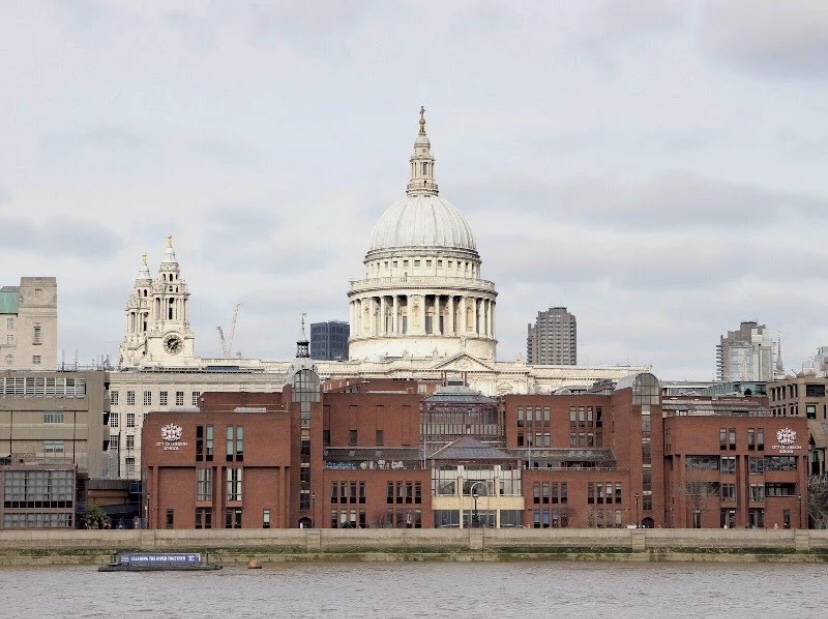
Currently, many homes are made of brick in England, but most of them are made of wood in Japan. Brick homes are very heat insulating, earthquake resistant and very durable. But Britain wasn’t a brick home from the beginning. There is a reason why English houses have been transformed into bricks. About 350 years ago, there was a big fire that burned St. Paul’s Cathedral and the bakery for four days. At that time, even St. Paul’s Cathedral was made of wood. It seems that a brick house was built from the reflection of the fire. On the other hand, without this fire, there would have been many wooden houses like Japan.
2.Life expectancy of a home
As I mentioned in the previous paragraph, the ruggedness of a home differs between brick and wooden. British homes are said to have an average lifespan of about 85 years. In contrast, Japan averages about 32 years. Homes over 100 years old are not uncommon in Britain. In addition, the ratio of existing homes is about 88% in the UK and about 15% in Japan. As you can see from this figure, there are many new constructions in Japan. Homes over 100 years old in Britain can be very valuable if they are well maintained. However, there is no price for second-hand properties in Japan. In Britain, parents give up their homes when their children grow up and move to condominiums. But, In Japan, parents and children may live together even if they have two households. Therefore, when making two households, it seems that it may change to a new construction that will be demolished. The average life expectancy of a Japanese house is around 30 years when the generations change.
3. Price
After all, the price is different between British house made of brick and a wooden house made in Japan. There seems to be a reason why Japanese houses are made of cheap wood. Japan is a defeated country in World War II. That is why Japanese houses aimed at postwar reconstruction have become “easy home” made of cheap and easy-to-construct wood. Second-hand properties are more valuable to British people who prefer older ones, and the older they are, the more expensive they are.
4. Nameplate
Every house in Britain and Japan has a nameplate. In Japan, the last name of the owner of the house is listed in a prominent place on the gate or door of the house. However, in Britain there is no custom to write the name of the person who lives. So what is listed? Only the room number is listed on the table of English houses. Also, this British nameplate is very hard to find. Unlike Japan, this nameplate is rarely attached to the gate of the house, and is usually attached near the door of the house. Therefore, it is very difficult to find a house to visit for the first time. There is an English saying, “An Englishman’s house is his castle.” British people attach great importance to home and private life. You may not want to tell strangers not only their names but also their names.
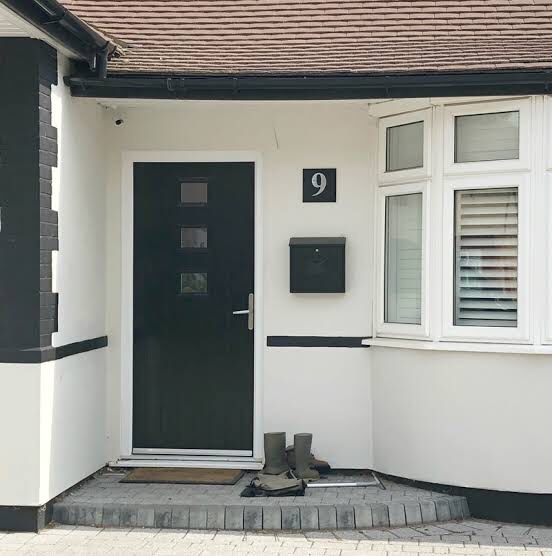
In Britain
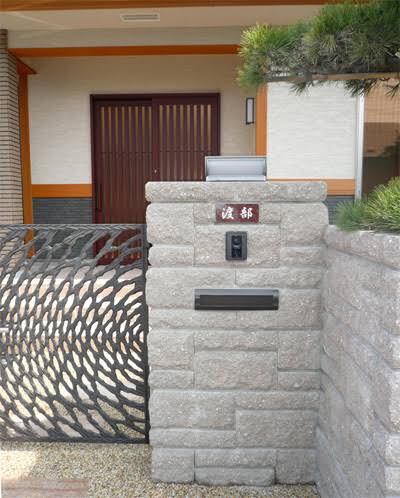
In Japan
5. House
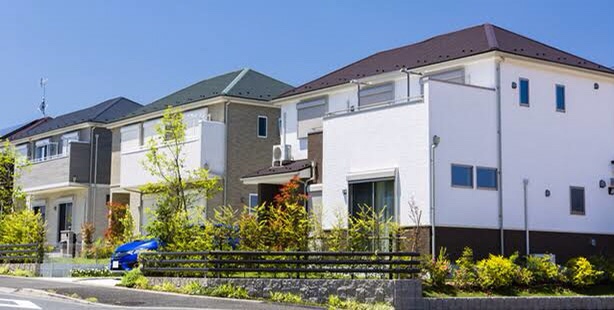
Detached house in Japan
Detached houses account for about 55% in Japan.
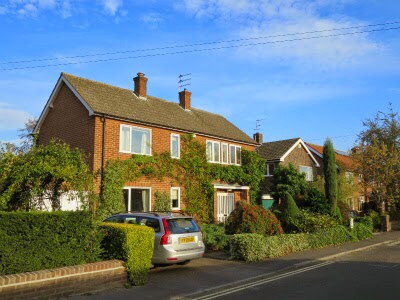
Detached house in Britain
There are many large houses with 3 bedrooms or more, and many in the suburbs. There is plenty of room in the house and site area as a whole, and usually there is a front garden and a large back garden.
However, there are few detached houses in the UK, and it seems that semi-detached houses and terraced houses are more than about 60%.
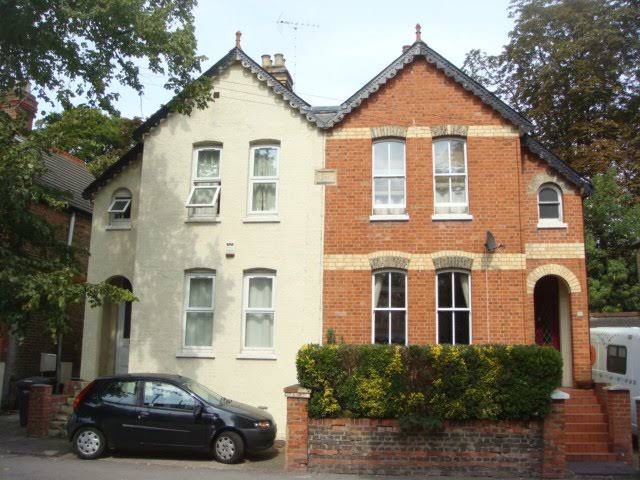
Semi-Detached House
There are two houses in one building. The house is symmetrical as if it were divided in half, and the entrance and garden of the resident household are separate.
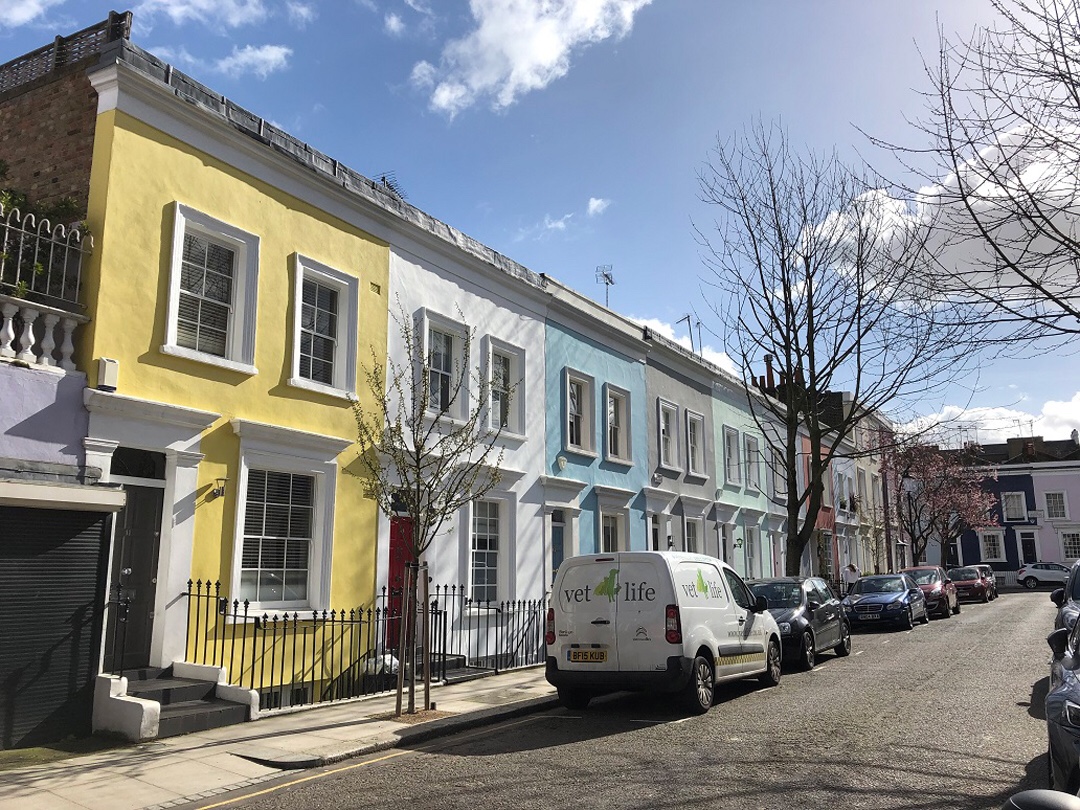
Terraced House
This is a property with several households. It mainly refers to three or more households, and in some cases ten households continue.The corner house is more expensive than the middle house. It’s like Japanese apartment.
In addition, there are “flats” like condominiums in Japan and “bungalows” built in one-story houses in Britain.
6. Furniture
Of course, there are many differences in the furniture used. Let’s see the difference between British furniture and Japanese furniture.
Japanese furniture
Japanese furniture stands out for its delicacy and meticulousness. The system and strength are said to be top class in the world. At first glance, it looks simple, but the more you use it, the more it tastes, and when you look closely, the seams are smooth. This is probably because of the politeness and politeness of Japan.

Britain furniture
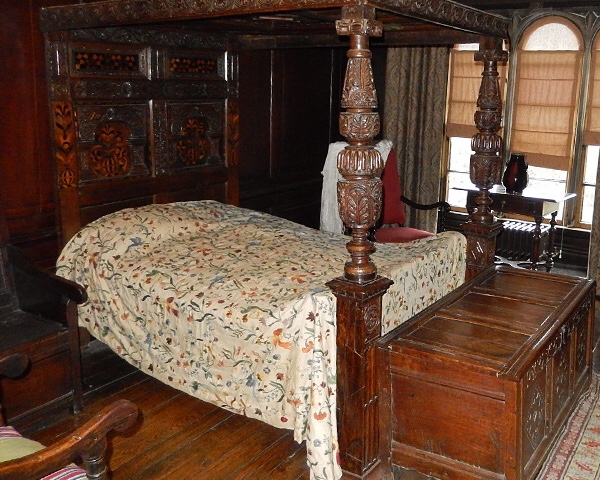
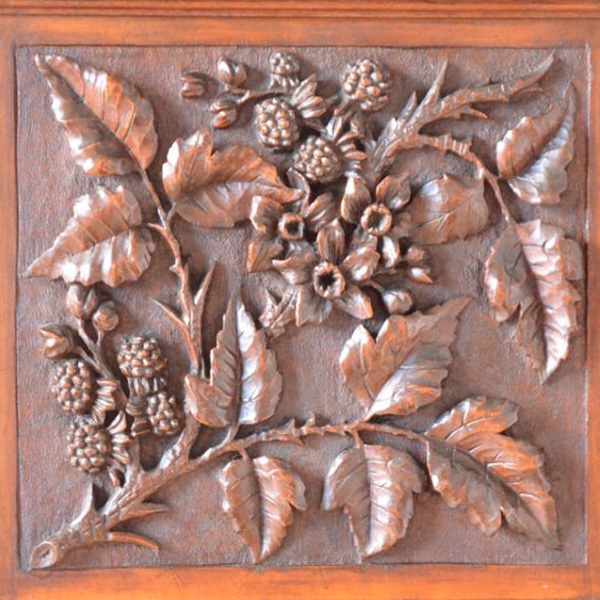
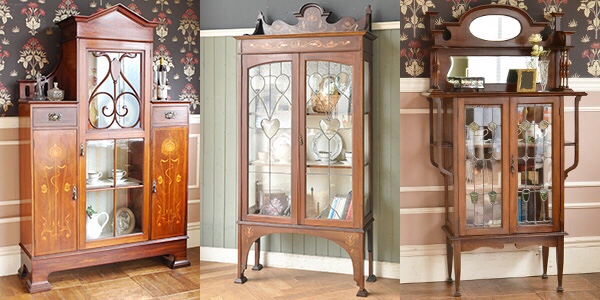
The characteristics of British furniture are high design and luxury. It is also a feature that you can feel the times by design. It seems that there are various styles depending on the times. All designs are very beautiful and popular.
The more you look at the differences between Japanese and British homes, the more you will find out. It was interesting to know about Japanese housing that even Japanese people don’t know about.I introduced the differences this time, but I also wanted to find something in common.






 sun flower